
What Is a Dental Implant and What Are Its Advantages?
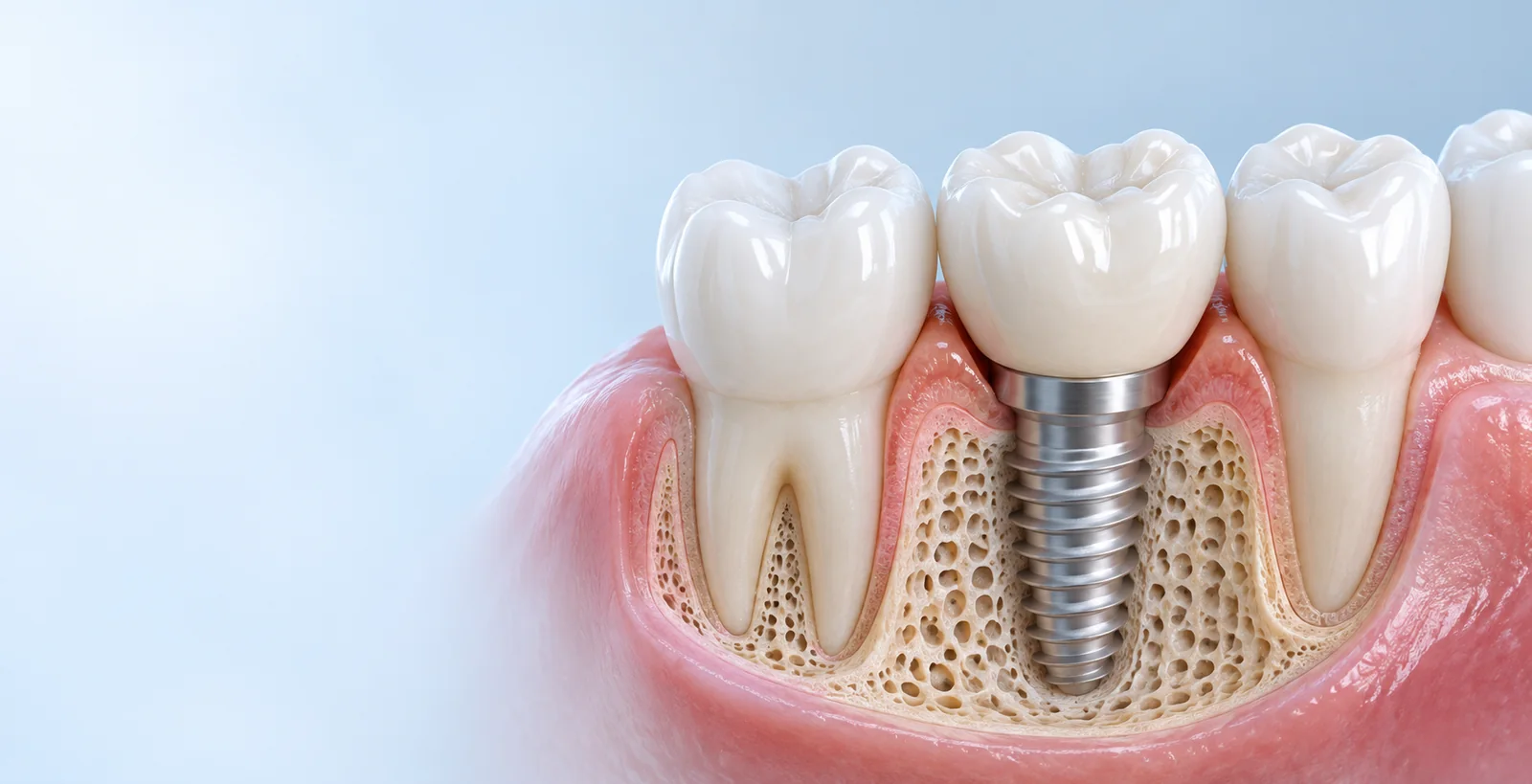
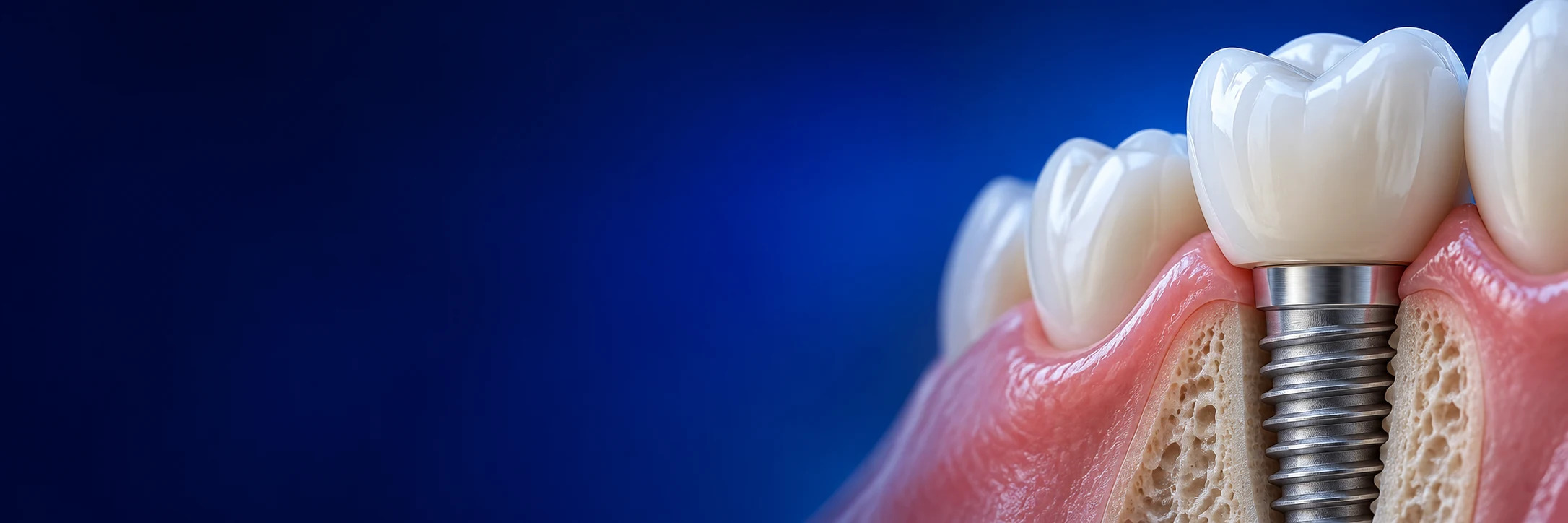
Dental implants are artificial tooth roots, typically made from biocompatible materials such as titanium or zirconium. They are surgically placed into the jawbone and completed with prosthetic teeth called crowns.
Implants closely mimic the appearance and function of natural teeth. They help restore chewing and speaking functions, improve facial aesthetics, and provide a stable, durable and long-lasting solution for missing teeth.
appearanceStable
functionLong-lasting
solution
How Is Dental Implant Treatment Performed?
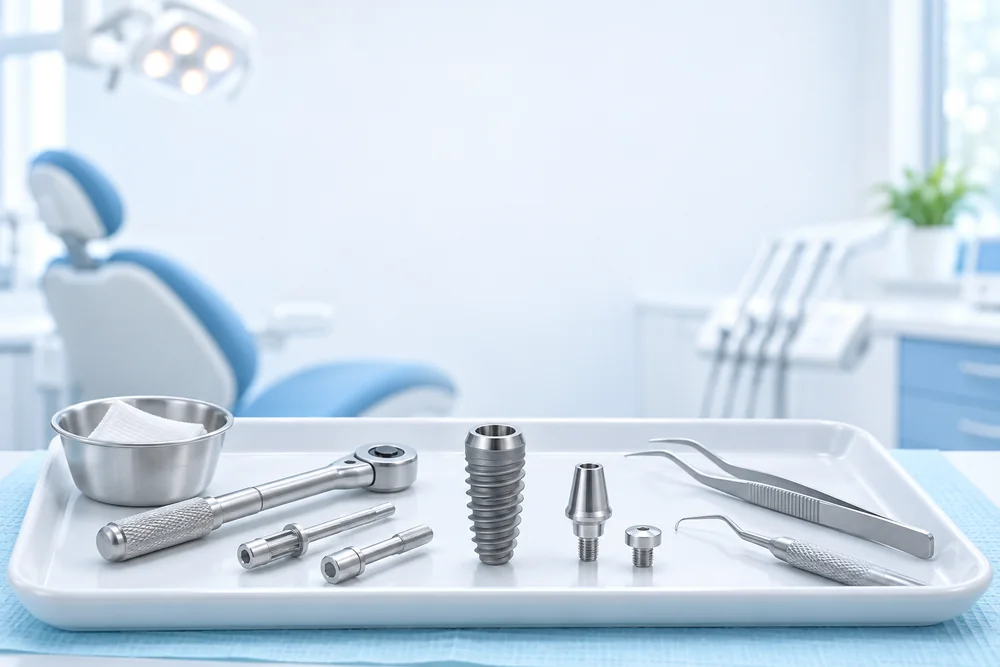
Dental implant treatment is usually performed under local anaesthesia. The implant is first placed into the jawbone and then left to integrate with the surrounding bone. This healing period generally takes several months, depending on the patient’s bone structure, oral health, and treatment plan. Once healing is complete, the prosthetic tooth is fitted onto the implant.
Different treatment methods may be used depending on the patient’s needs. These include endosteal and subperiosteal implants, as well as techniques such as zygomatic implants and the All-on-4 method.
Who Is Suitable for Dental Implant Treatment?
Dental implants may be suitable for most adults with healthy gums and sufficient jawbone structure. If the available bone is inadequate, additional procedures such as bone grafting may be considered.
A patient’s general health and lifestyle must also be evaluated. Conditions such as diabetes and habits such as smoking may affect healing and treatment success. A comprehensive clinical and radiographic assessment is required to determine suitability and create a personalised treatment plan.
What Should Patients Know About Aftercare, Risks and Costs?
Maintaining good oral hygiene and attending regular dental check-ups are essential during and after treatment. Brushing, cleaning between the teeth, protecting gum health, and following post-operative instructions contribute to successful healing and the long-term health of the implant.
Possible complications include infection, nerve injury, or failure of the implant to integrate with the bone. These risks can be reduced through careful planning, appropriate sterilisation, experienced clinical care, and proper aftercare.
Treatment costs vary depending on the number and type of implants, the condition of the jawbone, the prosthetic restoration, and any additional procedures required. Each patient is assessed individually and a personalised treatment plan is created.
Missing a tooth? Restore more than the gap.
Explore Implant Treatment →
What to Expect
Your comfort and safety are our top priorities. Here is how the treatment process works:
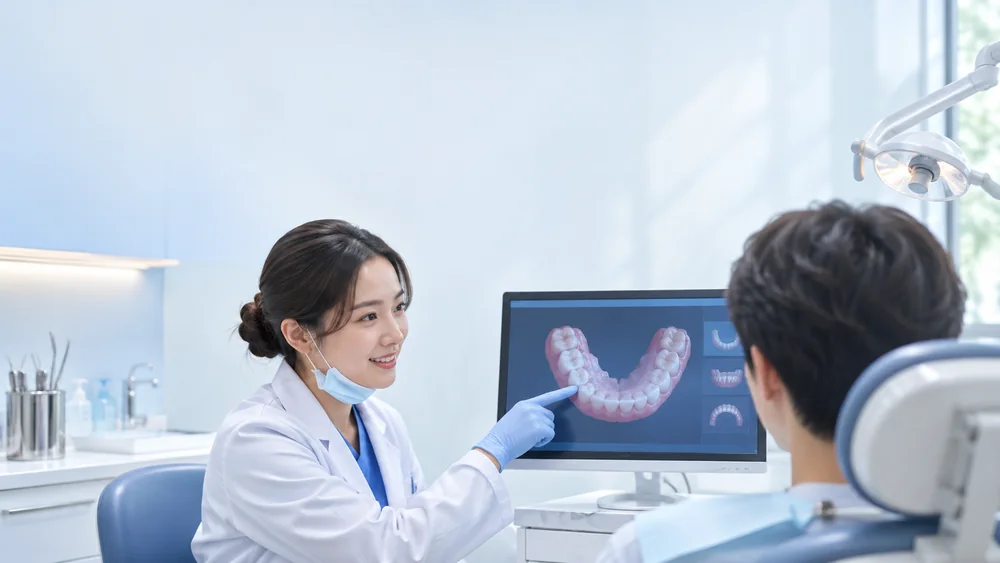
Consultation
We evaluate your oral health and discuss your goals to recommend the best treatment plan for you.
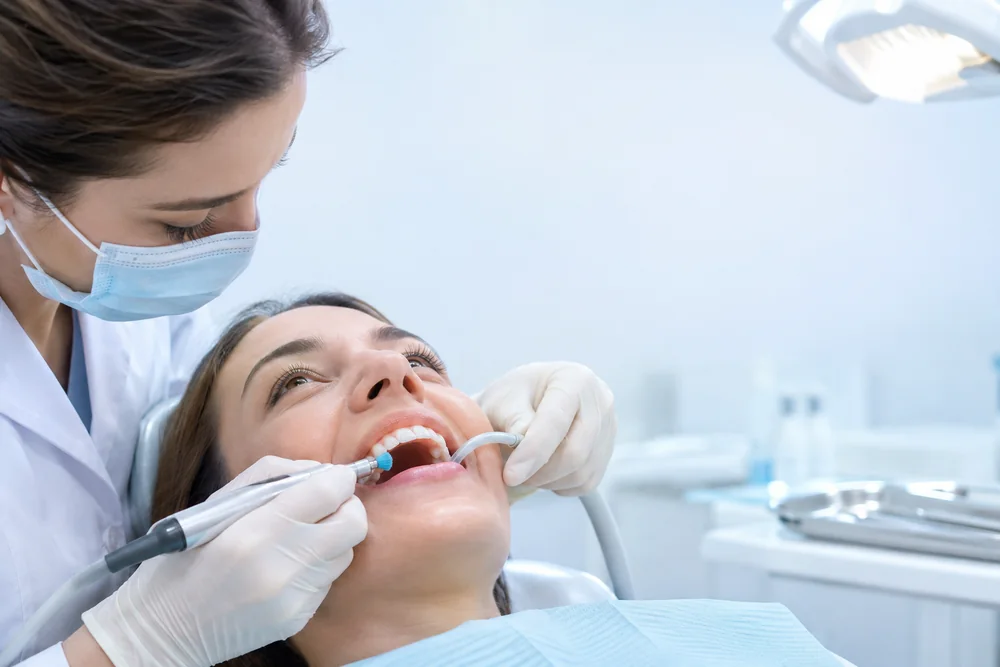
Preparation
Your teeth and gums are gently prepared using advanced techniques to ensure your comfort and safety.
Treatment
The treatment is carefully performed using modern technology and high-quality materials.
Aftercare Guidance
We provide easy-to-follow aftercare tips and monitor your progress to help you achieve lasting results.

Missing a tooth? Restore more than the gap.
Discover an implant solution planned around your smile.
Get My Implant Assessment →
The Difference Is in the Smile.
Explore an illustrative smile restoration.

BEFOREAFTER
Drag to compare the illustrations
AI-generated illustration, not a real patient result. Individual treatment results may vary.